Why Should You Host a Website for Your Online Presence?
In today’s digital landscape, it’s vital to establish a robust online presence. A key aspect of this is to host a website. According to recent studies, 59% of consumers prefer to interact with brands that have websites. This data underscores the necessity for businesses to create an accessible platform.
Moreover, a well-hosted website can enhance credibility. Research shows that 75% of users judge a company's credibility based on its website design. If your site is poorly designed or difficult to navigate, potential customers may turn away. Hosting your website with reliable providers ensures better performance and higher uptime, which directly affects user experience.
Even though many businesses notice the importance of having a website, some overlook the responsibility of hosting. It’s crucial to reflect on the long-term impacts of your host website choice. A reliable hosting service can make your site faster and more secure, but finding the right fit often requires deeper consideration and research. This investment can significantly influence your brand’s reputation and customer trust.

Benefits of Establishing a Website for Personal Branding
In today’s digital age, a personal website is a fundamental tool for effective branding. By creating a site, you control your online narrative. This space allows you to showcase your skills, experiences, and unique personality. It becomes a canvas where potential clients and followers can see your work firsthand.
Personal branding through a website establishes credibility. It gives you authority in your field. Visitors perceive you as more professional when they find an organized site. Nevertheless, achieving this may require regular updates and thoughtful content. It's common to feel overwhelmed, especially when balancing design and writing. Reflecting on what truly represents you can be challenging.
Your website can also connect you with like-minded individuals. Sharing your journey can foster genuine relationships. However, it’s easy to focus on aesthetics instead of substance. Be mindful; authenticity resonates more than perfect visuals. Ultimately, your digital presence should evolve alongside you. Embrace imperfections as growth opportunities.
The Role of a Website in Enhancing Online Credibility
In today's digital landscape, a website is essential for establishing your online credibility. It acts as your personal storefront, providing a platform to showcase your expertise and experiences. Potential clients and visitors often judge your professionalism based on how well your website is designed and maintained. A polished and informative website can capture attention, while a cluttered or outdated one may raise doubts about your reliability.
Building credibility goes beyond aesthetics. Relevant content is crucial. Share your knowledge in your field. Offer valuable insights or advice. This positions you as an authority, making visitors more likely to trust you. Engaging with your audience through a blog or articles adds depth and helps to establish a connection. However, it’s important to regularly update your website. Letting it stagnate can lead to a loss of credibility.
Remember that even a well-built website has room for improvement. Regularly evaluate user feedback and analytics. It’s normal to experiment and make changes. Reflect on what resonates with your audience. Be open to learning from your mistakes. This willingness to adapt builds a stronger online presence and enhances your overall credibility.
How a Website Facilitates Effective Communication with Audiences
A website serves as a powerful tool for effective communication with your audience. It allows brands to convey their message in a structured way. With clear navigation and engaging design, visitors can find what they need quickly. This accessibility fosters trust and encourages interaction. On your site, you can share updates, insights, and stories that resonate with your audience. These elements establish a connection that social media posts often lack.
Engagement is crucial. A blog section can invite comments and questions. This dialogue deepens relationships. However, managing feedback requires attention. It's an opportunity for reflection on how you present yourself. Analyze which topics spark interest and which ones fall flat. Websites allow you to adapt based on these interactions, creating content that aligns with your audience's needs.
Additionally, having a dedicated platform for your content builds credibility. A well-crafted site reflects professionalism. It's your space to establish authority and share your expertise. Yet, without regular updates, even the best websites can become stagnant. Consistent engagement is essential to maintain relevance in your niche. Embrace the challenge of evolving your online presence while staying true to your core message.
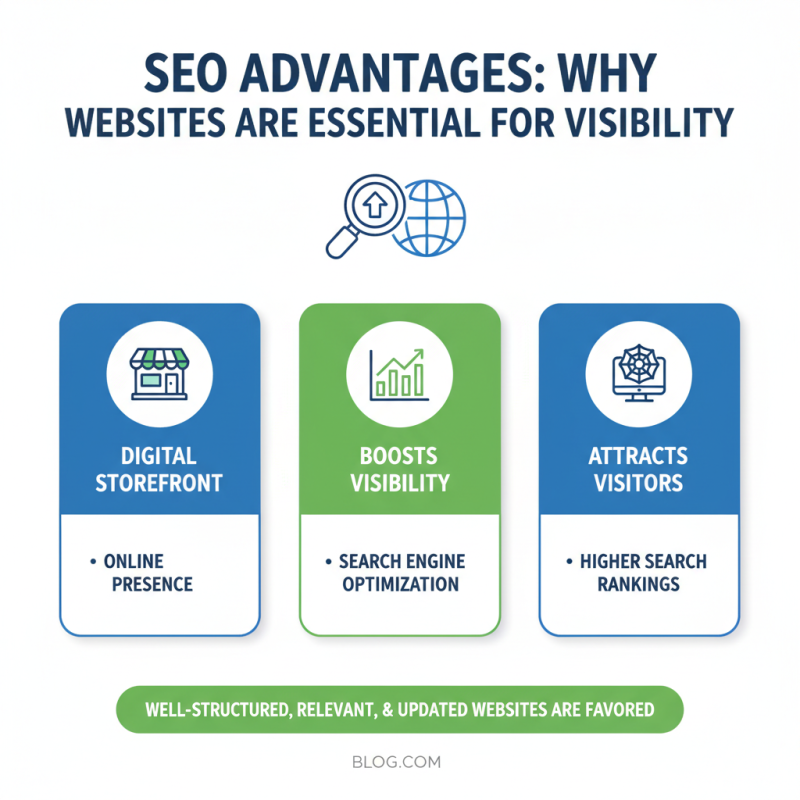
SEO Advantages: Why Websites Are Essential for Visibility
Having a website is crucial for establishing a strong online presence. It not only serves as a digital storefront but also significantly boosts your visibility through search engine optimization (SEO). Search engines favor websites that are well-structured, relevant, and updated regularly. This can increase your chances of appearing in search results, attracting more visitors.
Utilizing effective SEO techniques can draw organic traffic to your site. For instance, incorporating relevant keywords helps search engines understand your content better. Creating quality backlinks further enhances your credibility and authority. However, without a website, your online presence may remain limited. Relying solely on social media can hinder your visibility. Social platforms can change their algorithms or shut down entirely, making your efforts unpredictable.
Quality content is essential. It should resonate with your target audience and provide value. Regular updates and engagement with users can reinforce credibility. Yet, many fail to maintain consistency or overlook the need for analytics to measure progress. Being aware of these challenges can help you refine your online strategy and ultimately succeed in enhancing your visibility.
Monetization Opportunities: Earning Potential Through Your Website
Having your own website offers significant monetization opportunities. It serves as a platform for various income streams. According to a recent study, 77% of small businesses that have a website report increased sales. This underscores the potential for online revenue generation.
Affiliate marketing is a popular option. By promoting products, you can earn commissions on sales without holding inventory. A report from Statista indicates that affiliate marketing spending is expected to reach $8.2 billion by 2022 in the U.S. This growth signals a lucrative niche for website owners.
Additionally, creating content through blogs or video can attract traffic. Advertisers pay for visibility, making ad revenue a viable option. Research from eMarketer shows digital ad spending is projected to reach $500 billion by 2024. However, it requires consistent effort and quality content to attract and retain audiences. Reflecting on your niche and the competition is crucial. A website can be a gateway to financial success when approached strategically.
Monetization Opportunities: Earning Potential Through Your Website
This chart illustrates the potential monthly earnings from various monetization strategies for websites. The data represents average earnings based on common practices.